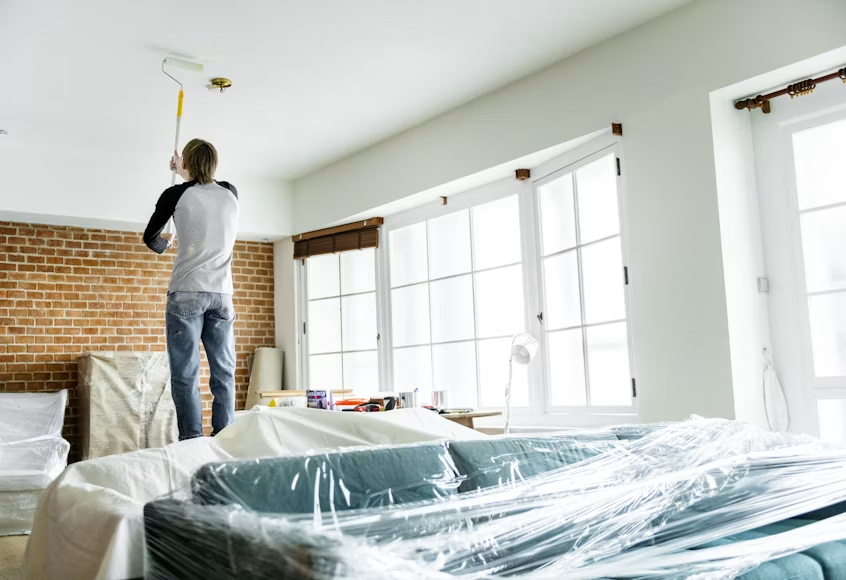
Interior painting is the most common painting job Perth homeowners have done, and it is also the one most people underestimate. It is not just about rolling colour on walls. The prep matters. The product selection matters. And the skill of the person doing the cutting-in around skirtings, cornices, window reveals, and door frames makes an enormous difference to how the finished room looks.
If you are planning an interior repaint, or having a newly built or renovated room painted for the first time, this guide covers what you need to know to get a result you are actually happy with.
The Real Challenge in Interior Painting
Interior painting looks straightforward until you try to do it. The hard part is not rolling the walls. Rolling a wall is relatively forgiving. The hard part is the cutting-in: painting clean, straight lines where the wall meets the cornice, the skirting, the window architrave, the door frame, and any built-in cupboards or shelving.
A well-cut room looks sharp and professional. A poorly-cut room looks amateurish regardless of how well the rest was done. The lines that waver, the cornice that has wall colour on it, the skirting with a visible edge of white above the floor tiles - these details are impossible to unsee once you notice them.
That is why interior painting takes more time than many people expect. A thorough painter will cut-in every surface carefully before rolling, and cut-in again after rolling if needed to ensure clean edges.
Prep Work Inside the Home
The prep for an interior repaint is different from an exterior job, but it matters just as much.
Walls in lived-in homes accumulate scuffs, marks, minor dents, and nail holes. Before painting, all of these need to be filled and sanded flush. Any cracks in plaster or plasterboard need to be filled correctly, not just with a dab of filler that will crack through the new paint within a year.
Surfaces need to be cleaned. Grease and grime on kitchen walls, soap residue in bathrooms, and fingerprints around light switches and door handles all need to come off before painting, or they will show through the new coat or prevent proper adhesion.
Previously painted surfaces that are glossy need to be lightly sanded or given a degloss wash to give the new paint something to bond to. Applying fresh paint directly over a high-gloss surface without preparation often results in the new coat peeling within 12 to 18 months.
For new plasterboard that has never been painted, a sealer or undercoat is needed before the topcoats. Raw plasterboard is very porous and will absorb the first coat unevenly, resulting in a blotchy finish. A sealer coat fixes this.
Choosing Between Flat, Low-Sheen, and Semi-Gloss
Most people choose paint colours but do not think much about the sheen level. The sheen affects both appearance and practicality.
Flat (or matte) finish has no reflectivity and a velvety appearance that some people find very appealing. The problem is that flat paint marks easily and is hard to wipe clean. You can mark a flat-painted wall by touching it, and cleaning it can leave a visible shiny patch where you rubbed. For high-traffic areas or homes with children, flat finish on walls is rarely practical.
Low-sheen is the most commonly specified product for residential interior walls in Perth. It has just enough sheen to be washable without looking shiny. You can wipe off most marks with a damp cloth, and it still looks quite soft on the eye. It is the practical middle ground for bedrooms, living rooms, and hallways.
Semi-gloss is tougher and more washable, which makes it the right choice for kitchens, bathrooms, laundries, and any area that gets wet or greasy regularly. It is shinier, which means it shows surface imperfections more, but in these rooms durability matters more than appearance.
Ceilings are typically painted in flat white or low-sheen ceiling white. The flat finish on a ceiling does not cause the same practical problems as flat walls because nobody touches the ceiling.
Colours and Light in Perth Homes
Perth homes get a lot of natural light, which affects how colours behave differently than they would in darker, less sunny parts of Australia.
Strong natural light bleaches out pale colours and can make them look washed out. Colours that look subtle and sophisticated on a paint chip can look almost white on a well-lit Perth wall. If you want a colour that actually reads as a colour and not just a tint of white, you may need to go one or two steps stronger than feels right when looking at the chip.
South-facing rooms in Perth get much less direct light. If you have a bedroom or living space that faces south and feels dark, avoid cool-toned greys and blues, which will push the room even further toward feeling cold and dim. Warm whites, warm greys, and soft earthy tones will work better.
Always test colours in the actual room before committing. Paint a section at least 30cm by 30cm in the room where it will be used, and look at it in natural light at different times of day and under artificial light in the evening. A colour that looks perfect at 10am can look completely different at 7pm under warm LED lighting.
Feature Walls: When They Work and When They Do Not
Feature walls have been fashionable in Perth homes for 20-odd years, and they still get asked for regularly. Whether they work depends entirely on the room and the colour.
A feature wall works best when it creates contrast without fighting the other elements in the room. A deep navy or charcoal behind a bedhead in a room with other mostly neutral tones can look genuinely excellent. The same colour behind a television wall in a room full of busy furniture and warm tones can look jarring.
The feature wall approach works less well in small rooms. Painting one wall of a small room a dark colour tends to visually push that wall forward and make the room feel even smaller. In that scenario, painting all four walls the same colour, even a slightly deeper neutral, usually produces a better result.
Your painter can advise on this. Most experienced interior painters have seen hundreds of Perth homes and have a good feel for what works and what will not.
Painting New Builds vs Established Homes
New builds in Perth present different challenges from established homes. Plasterboard in a new build is generally in good condition, but the boards need to be properly prepared before painting, and the house needs to have dried out sufficiently before painting begins. New construction contains a lot of moisture from plaster, concrete, and timber framing, and if paint is applied too early, the moisture coming through the walls can cause problems.
Most builders specify their own painters for the initial coat, but homeowners often choose their own painter for any additional work or upgrades beyond the builder's standard specification. If you are in this situation, tell the painter what has already been done, what products were used if you know, and what the current condition of the surfaces is.
Established homes from the 1970s and 1980s may have lead-based paint under the existing coats. If you are concerned about this, particularly if you have children, you can purchase lead paint test kits from hardware stores, or have the surfaces tested professionally before any sanding or disturbance work begins.
Managing the Disruption
Interior painting requires clearing rooms or at least moving furniture to the centre and covering it. This is manageable for a room or two but becomes significant if the whole house is being done at once.
A good approach is to paint in sections if you need to stay in the house. Start with the rooms you use least, then move through the house progressively. This means you always have liveable rooms while the work is happening.
The paint smell is a legitimate concern, particularly if you have young children or anyone with respiratory sensitivities. Modern water-based interior paints are much lower in VOCs than they were 20 years ago, but ventilation is still important. Open windows and doors, run fans, and avoid sleeping in a freshly painted room for the first night if the smell is noticeable.
The Furniture Question
Who moves the furniture is worth discussing before the job starts. Most painters will move furniture to the centre of the room and cover it, but they may not want to move very heavy or fragile pieces. Agree on this before the job rather than arriving to find a disagreement on the first morning.
Remove fragile ornaments, artworks, and anything that cannot be adequately protected before the painter arrives. Paint spray and drips can travel further than expected, particularly when using a spray system on ceilings.
Looking for an Interior Painter in Perth?
Summit Edge Painting WA does detailed, careful interior work across the Perth metro area. Request a quote and we will come out to assess the job properly.
Request a Free Quote